By Grace Gordon and Casandra Hockenberry
January
Casandra Hockenberry, program manager at The Council of State Governments (CSG), attended and presented at the Election Center’s annual Joint Election Official Liaison Conference. At the conference, she presented recently released work from the Overseas Voting Initiative (OVI) as well as work to be released later in 2025.
The annual conference also gave Hockenberry the opportunity to connect with local election officials about the recent presidential election cycle. During the conference, she learned about some of the issues officials faced when serving their Uniformed and Overseas Citizens Absentee Voting Act (UOCAVA) population and the feedback they received from their voters regarding challenges with voting. Among the challenges that arose were difficulties voters experienced when returning their ballots to the U.S., particularly in states that only allow mail or fax return. The sheer volume of ballots being returned via fax caused issues with busy fax lines. Voters and election officials raised concerns about mail processing slowdowns that may have contributed to ballots being delayed during the return process.
Election officials also raised concerns about providing up-to-date information to military and overseas voters. OVI made plans to develop best practices for outreach to various overseas citizen populations in response to this feedback.
February
In late January, and throughout February, the Overseas Voting Initiative fielded the State Administered UOCAVA Survey in partnership with three states and three local jurisdictions. This voter experience survey was aimed at gaining a better understanding of how UOCAVA voters receive information about elections and the kind of support they receive from state and federal government websites. It also works to better understand the barriers these voters face and solicit feedback on ways to improve their experiences.
From Feb. 2-4, OVI staff attended the 2025 National Association of State Election Directors Winter Conference in Washington, D.C., where they continued to collect information about issues that election officials faced while serving UOCAVA voters. OVI also identified areas of research needed to support election officials and voters, including citizenship verification legislation, implementation best practices and best practices for last minute policy changes. As always, election directors were reminded of the value of the EAVS Section B Data Standard and encouraged to submit the requested data.
In addition, CSG Policy Analyst Morgan Thomas released “Beyond the Ballot with Karen Brinson Bell: Leveraging Teamwork and Innovation in Elections.” The Beyond the Ballot series highlights the diverse career paths of various election officials across the country, with the goal of fostering trust and transparency in elections. This article concluded the series by spotlighting former North Carolina State Board of Elections Director Karen Brinson Bell and her journey into election administration.
March
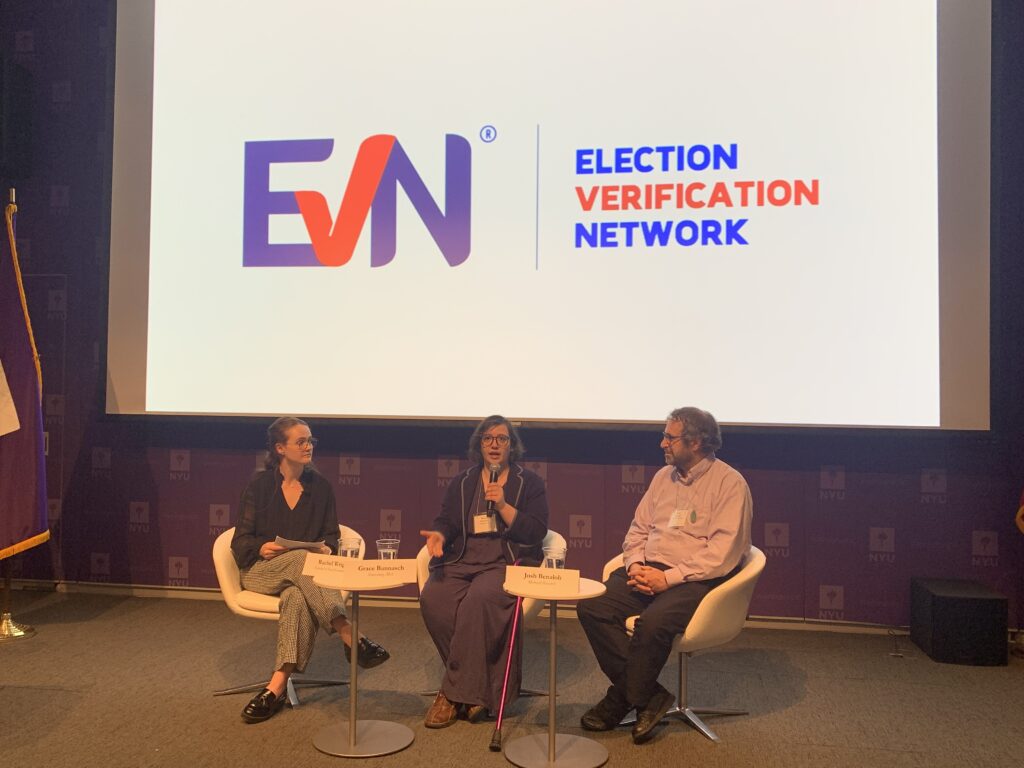
CSG Senior Policy Analyst Rachel Wright presented and facilitated a panel at the 2025 Election Verification Network Conference. The panel focused on the use of electronic ballot return as a means of overcoming the accessibility issues faced by UOCAVA voters and voters with disabilities. The discussion featured Grace Bannasch, who was serving as town clerk in Shutesbury, Massachusetts, at the time and has since become clerk for nearby Groton, and Dr. Josh Benaloh of Microsoft Research. The lively discussion also highlighted similar challenges voters face when trying to access the voting process, as well as ways electronic ballot return can support these voters while acknowledging and identifying the potential risks of electronic ballot return.
Grace Gordon, research lead and project manager at The Turnout, co-chaired the Election Verification Network Conference, with the theme “Walking the Tightrope: Improving Election Resilience Amidst Tension.” The conference consisted of two full days of panels and featured three keynote speakers.
May
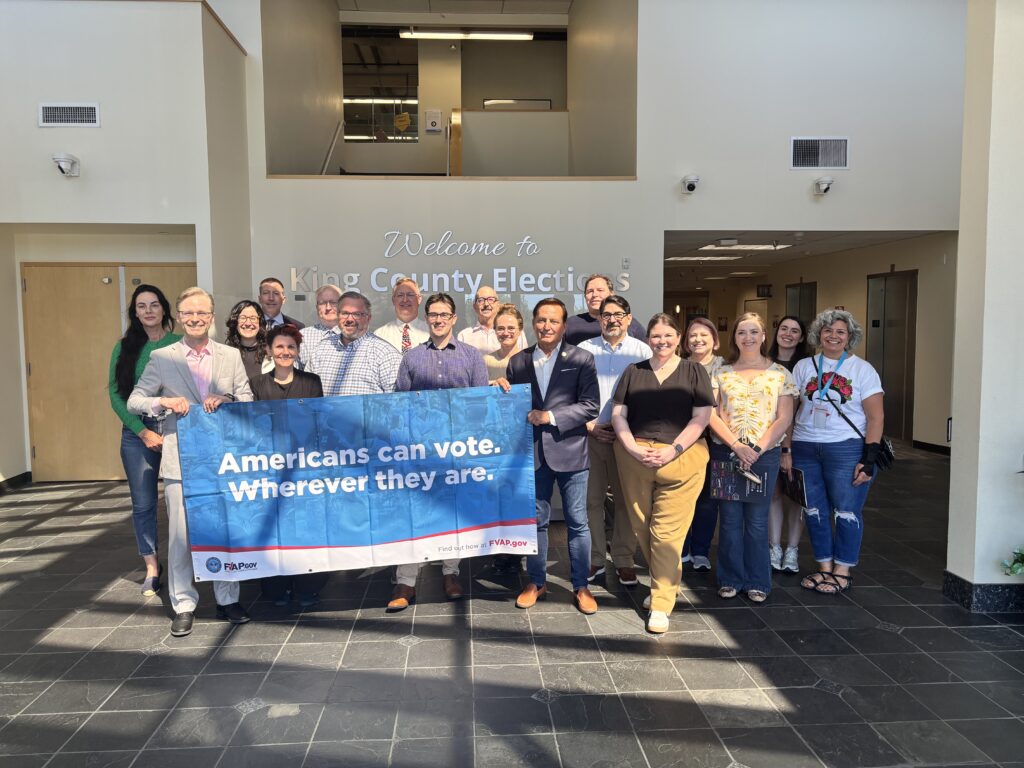
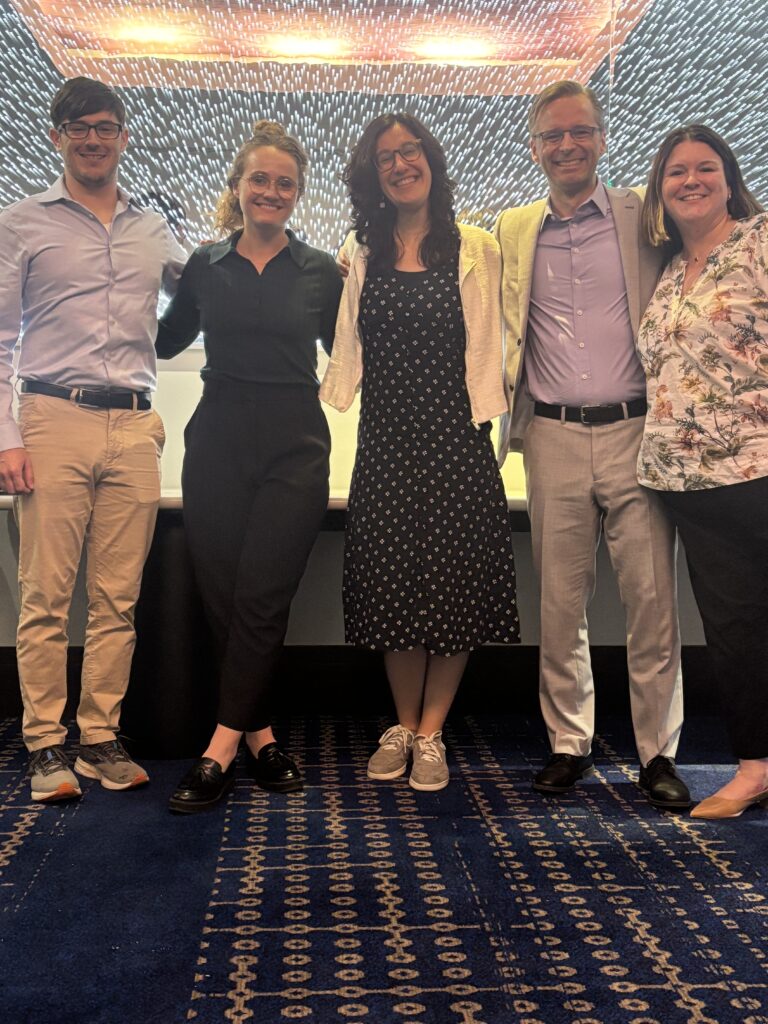
In May, the Overseas Voting Initiative conducted its spring Working Group Meeting in Seattle. At the start of the meeting, attendees were invited to tour King County Elections Department facilities, where they discussed UOCAVA ballot processing. On the morning of the first day, Washington Secretary of State Steve Hobbs visited the group to share his perspective on issues facing UOCAVA voters and his experience with voting as a military service member.
A panel later discussed understanding and improving the voting experience for military spouses and dependents. As part of the panel, OVI staff heard from family readiness personnel at Joint Base Lewis-McChord (JBLM) and Naval Station Everett (NSE), including a spouse at JBLM and a voting action officer from NSE. A panel of returned U.S. Peace Corps workers was especially enlightening, informing attendees about the barriers and misconceptions they experienced when it came to voting while in the Peace Corps.
June
OVI staff attended and presented three separate sessions at the annual Election Science Reform and Administration Conference in June in Tallahassee, Florida. Dr. James Houghton, Ph.D., operations research scientist at The Turnout, presented on optimizing spatial accessibility and advancements in vote center location selection strategies.
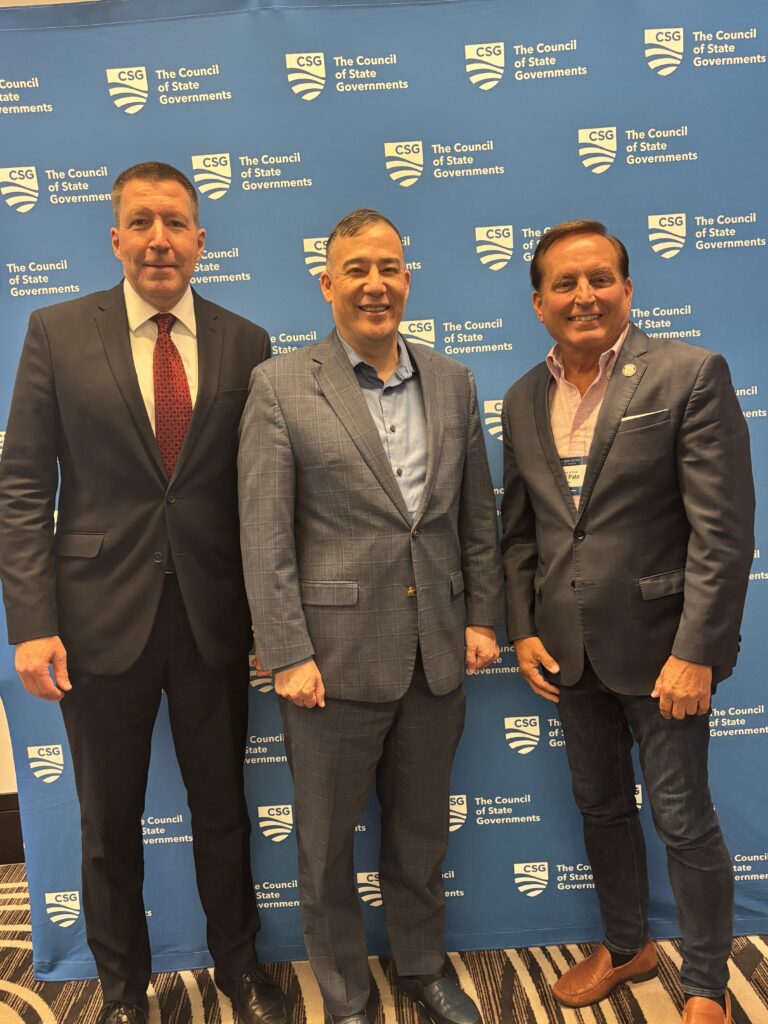
Rachel Wright presented on utilizing the EAVS Section B Data Standard for evaluating the efficacy of policy changes. In addition, Casandra Hockenberry and Jared Marcotte, founder and president at The Turnout, presented on a panel about emergency response and how technology—particularly electronic ballot return—can act as a failsafe when natural disasters render traditional election processes impossible.
July
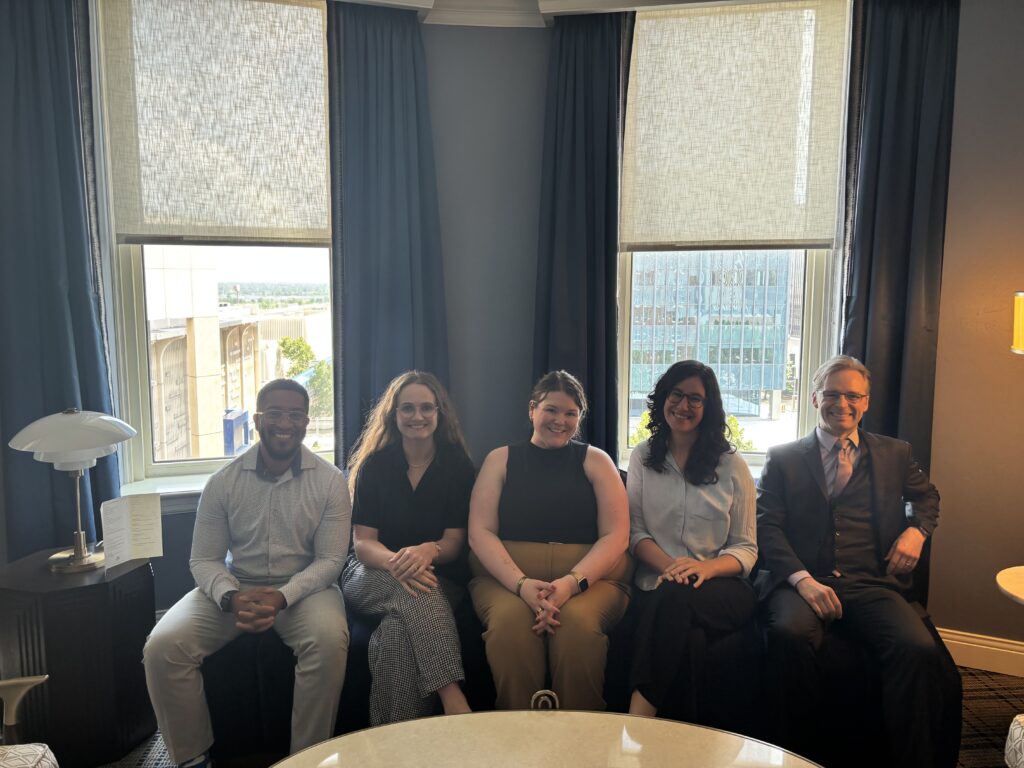
From July 22-24, OVI staff attended the 2025 National Association of State Election Directors Summer Conference in Oklahoma City, Oklahoma. As part of this meeting, staff spoke with election directors and staff about recent publications supporting UOCAVA voters. Additionally, staff continued to solicit barriers officials experienced in supporting these voters. Many officials noted ongoing concerns around citizenship verification, including the infeasibility of implementation timelines particularly if mandated in 2026. As a result of the reduction in federal cybersecurity and law enforcement support for elections, election officials noted that much of their focus has shifted to ensuring their offices could take on the added costs and staffing.
Rachel Wright published “RFP Best Practices and Considerations,” outlining how election officials should take UOCAVA voters into consideration when crafting procurement requests. This live webpage was designed to adapt to additional best practices for serving UOCAVA voters are developed through OVI.
August
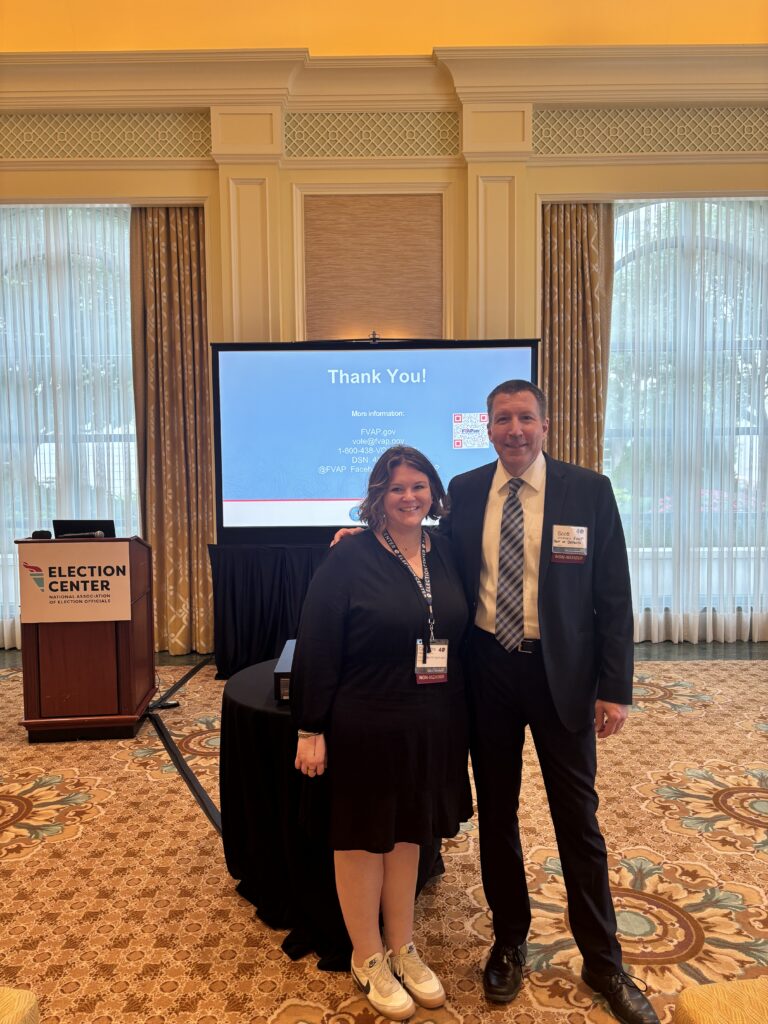
Casandra Hockenberry attended the 40th Annual Election Center National Conference in Salt Lake City in August, along with Jared Marcotte and Grace Gordon. Hockenberry presented with Federal Voting Assistance Program (FVAP) Director Scott Wiedmann on “Supporting UOCAVA Voters: A Small but Mighty Group” as part of the communications and outreach breakout session.
Marcotte and Hockenberry presented on the Election Technology Initiative (ETI) in a breakout session titled “Technology Across Levels of Government.” Their session included an overview of the ETI, its guiding principles and a briefing on ElectionGuard.
Gordon, Marcotte and Hockenberry also attended various sessions at the conference, including “Intro to AI in Elections,” presented by the Arizona State University Mechanics of Democracy Lab, The Elections Group and Microsoft; “Planning Tools to Gain Efficiencies in All Stages of Election Administration,” presented by the University of Rhode Island’s Engineering for Democracy Institute; and “Association Maturation Guidebook & Case Studies,” presented by the Coalition of Election Association Leaders (including Gordon).
Also, in August, Morgan Thomas released “Common Access Cards as Voter ID: Considerations for Legislators,” a primer for state legislators about what common access cards (CAC) are and how they can expand options to verify a UOCAVA voter’s identity. The article includes examples of enacted legislation that allows UOCAVA voters to utilize CAC or personal identity verification (PIV) digital signatures when voting.
Rachel Wright published “States Help Emergency Responders Vote by Extending UOCAVA Provisions,” outlining the ways states have expanded UOCAVA provisions to facilitate voting by emergency responders. It begins with a summary of Mississippi’s statutory provisions to help emergency responders vote absentee during emergencies, such as Hurricane Zeta in 2020. The article also summarizes UOCAVA voting procedures afforded to emergency responders in four other states and alternative voting procedures for emergency responders in 10 states.
October
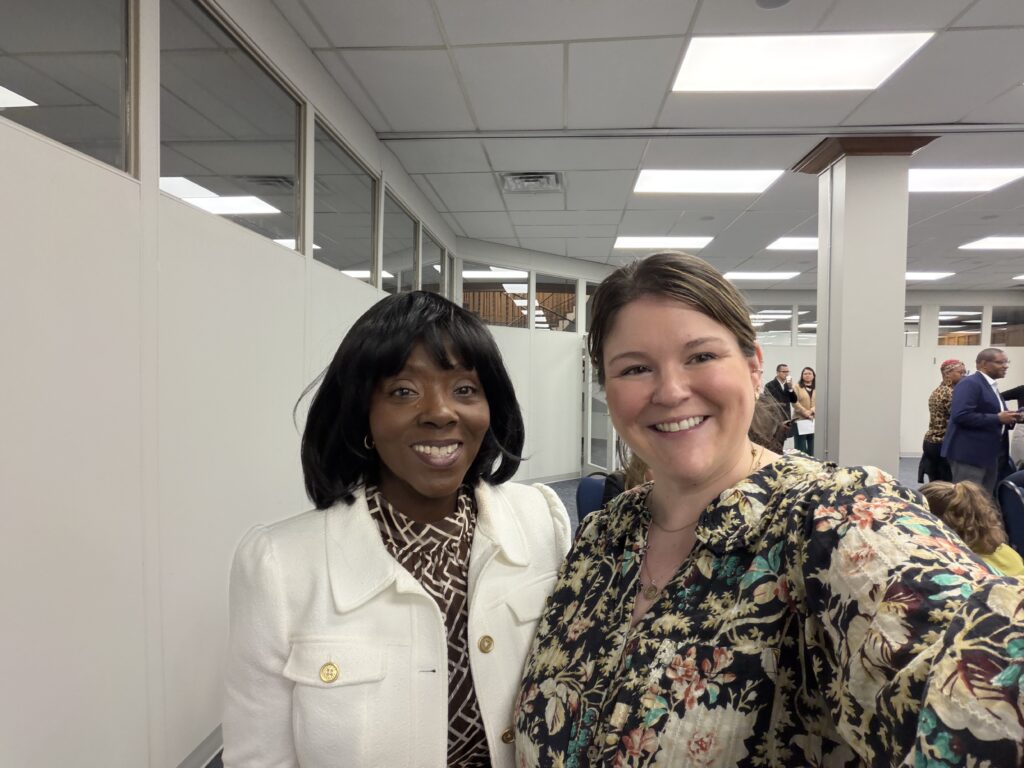
Casandra Hockenberry was invited to participate in the Inaugural Policy Forum for the Partnership for Southern Impact in Nashville, Tennessee. The Partnership for Southern Impact is a collaboration between the Brennan Center for Justice and Fisk University’s John Lewis Center for Social Justice. Hockenberry spoke with legislators, advocates and researchers about election administration and how Southern states can prepare for upcoming population shifts. She highlighted the importance of legislation that allows election officials to be agile as sudden changes may occur. Hockenberry also noted that any changes in administration procedures should ensure long lead times for implementation and education efforts for voters.
November
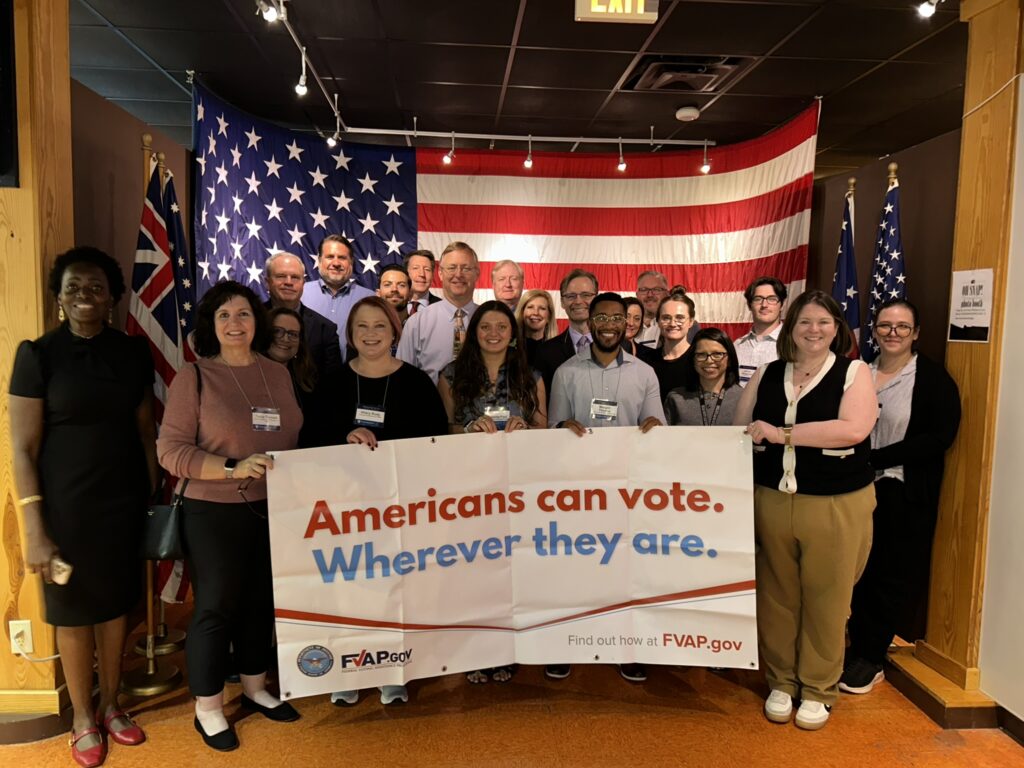
From Nov. 19-21, the OVI team hosted its annual fall OVI Working Group Meeting in San Antonio. As a part of that meeting, working group members visited Lackland Air Force Base in San Antonio, where they toured the Airman Heritage Museum.
Members then heard from a panel of military training instructors about basic training for airmen. This discussion brought attention to gaps in Air Force training modules regarding airmen’s right to vote under UOCAVA. The team also heard from Michele Carew, election administrator for Bexar County, about how the election office works with the local military installations at Joint Base San Antonio and the surrounding community to support service members, their spouses and dependents when voting.
While in San Antonio, members also had the opportunity to engage with two military spouses who are active members of the Secure Families Initiative. These spouses raised numerous barriers that they faced as military spouse voters, including a lack of information and support from base. The working group also spoke with three overseas citizen voters, who detailed their experiences navigating the voting system while abroad. Notable issues included mail service delays, with voters in Melbourne, Australia, struggling to access information about candidates and ballot issues due to ongoing geo-blocking and other access issues with election-related websites.
December
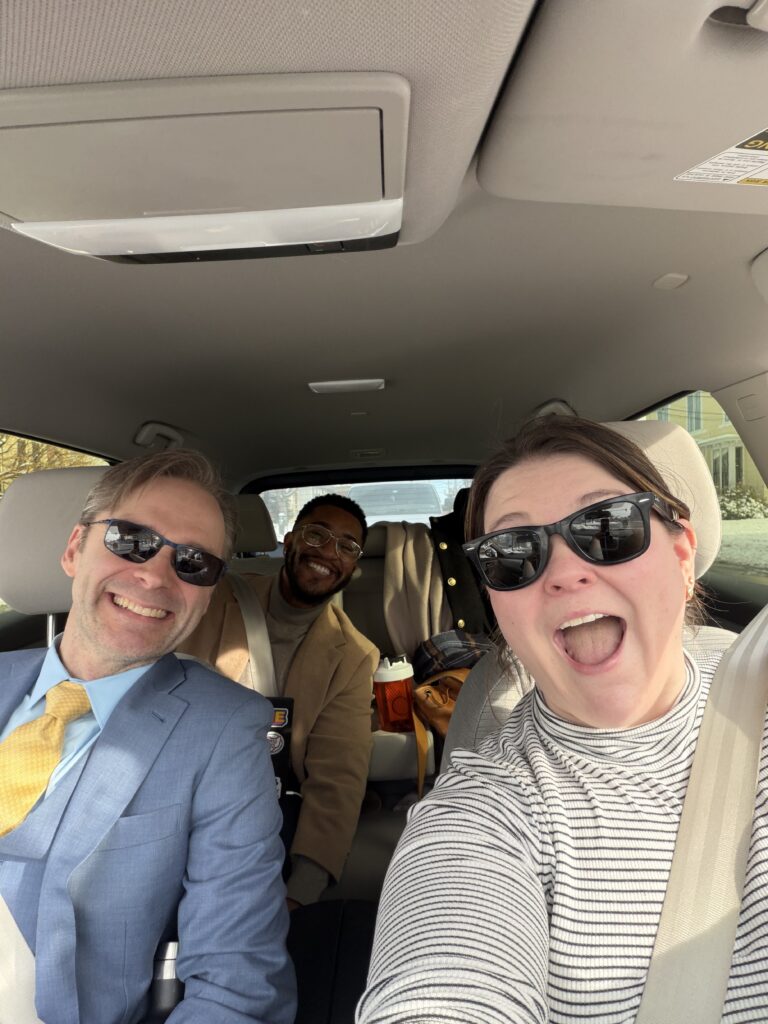
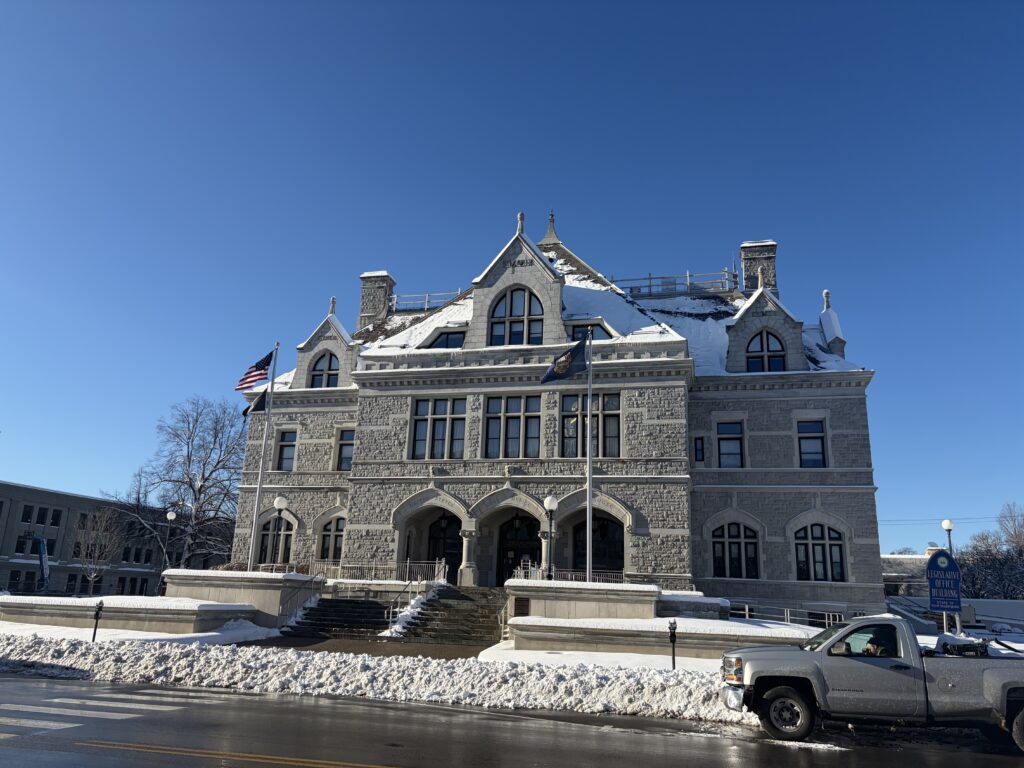
Casandra Hockenberry, Morgan Thomas and Jared Marcotte conducted state visits in the northeast in December. After starting in Boston, the trip continued to Concord, New Hampshire, for a meeting with Secretary of State Dave Scanlan and Director of Elections Patricia Piecuch.
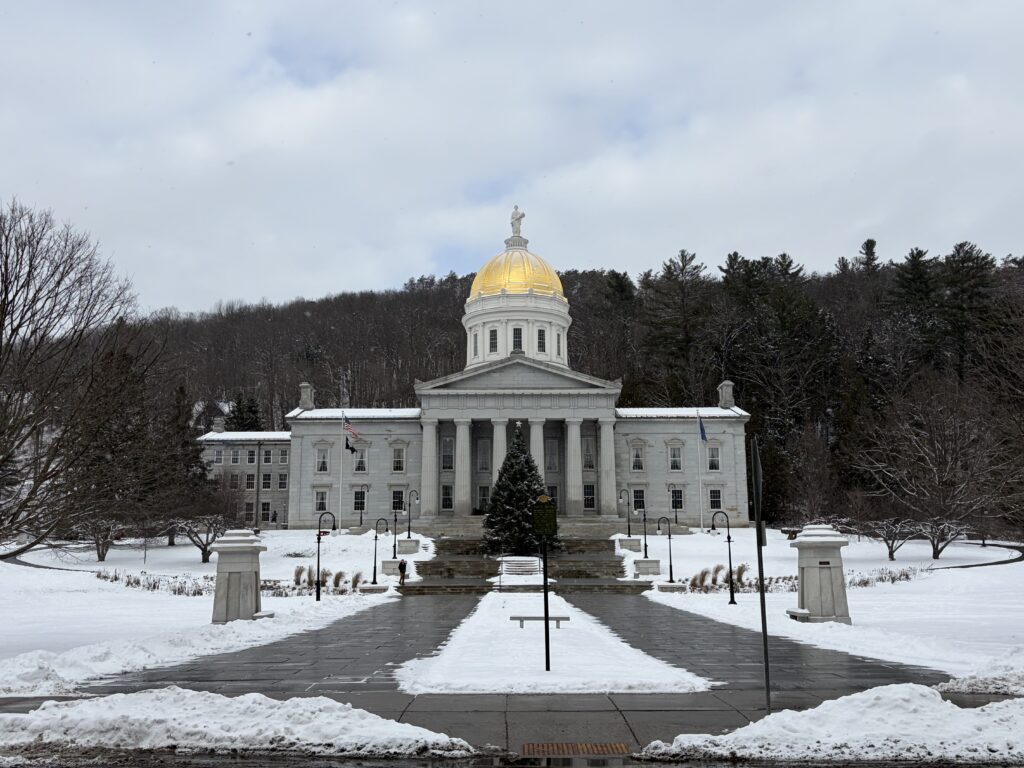
The team’s next stop took them to Montpelier, Vermont, where Hockenberry booked a room in the Kellogg-Hubbard Library to record “Elections Science Office Hours” with Dr. Mike Alvarez. She was joined by OVI Working Group members Hilary Rudy, Colorado deputy elections director, and Paul Lux, supervisor of elections for Okaloosa County, Florida. The recording is available on YouTube via the Linde Center for Science, Society, and Policy.
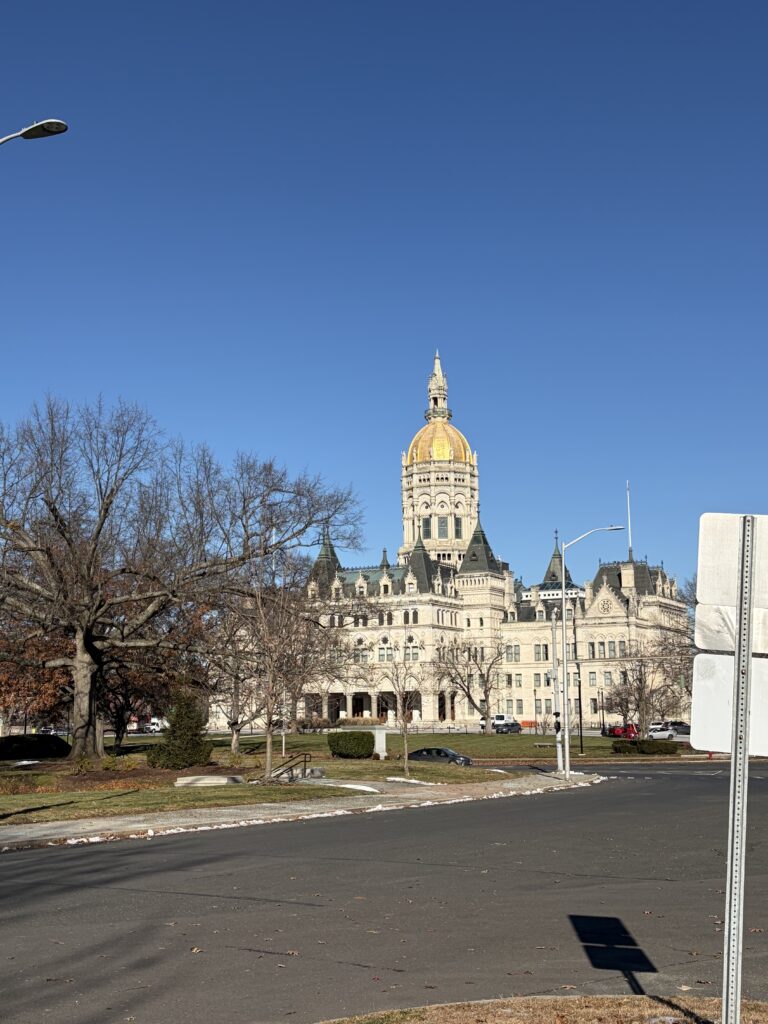
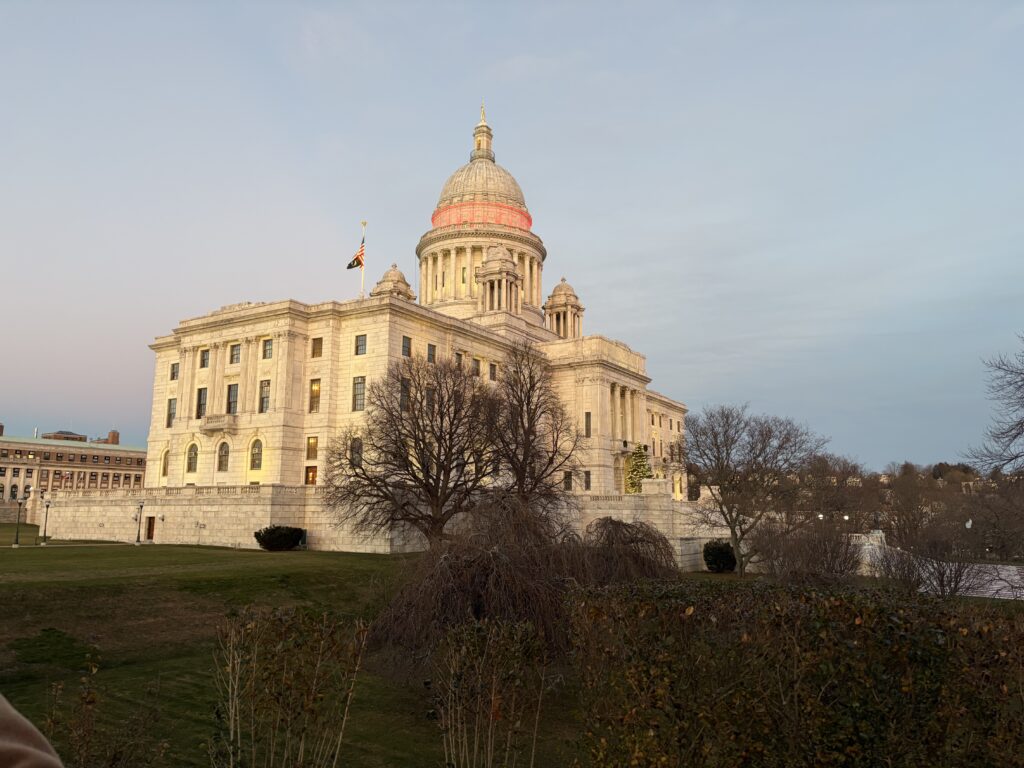
The team’s journey continued to Burlington, Vermont, where they met with Jim Condos, former Vermont secretary of state and past OVI co-chair. The following day, they returned to Montpelier for discussions with Vermont Elections Director Seán Sheehan and Assistant Director Tammy Sink. From there, the road trip moved to Hartford, Connecticut, for a meeting with Connecticut Assistant Director of Elections Anna Posniak and concluded in Providence with conversations with Rhode Island Elections Director Kathy Placencia and Deputy Secretary of State Rob Rock.
After a busy 2025, the OVI team is looking forward to continuing its outreach to support military and overseas citizen voters in 2026. The team will be conducting state visits around the country to discuss its work and the EAVS Section B